
Satire
The Art of Being Delulu
How the young turned wishful thinking into a cheerful way of life
"Delulu" is an affectionate shortening of "delusional," used for the particular kind of hope that outruns all available evidence, most often in matters of the heart. To be delulu is to be quietly certain that a favourite celebrity will one day notice you, or that a long-awaited text will surely arrive, when every sign points the other way. The word began in K-pop fan communities around 2014, coined for devotees convinced they might one day end up with their chosen idol, a faith held with the serene confidence of a creature that has never once doubted that spring will return.
It stayed within those communities for some years before crossing over. Around the end of 2022 it spread across TikTok, where people applied it to their own everyday romantic fictions, and it soon outgrew romance altogether. A companion saying arrived with it, "delulu is the solulu," meaning roughly that the delusion is the solution, that a firm enough belief in a happy ending might help to bring it about, the way a bird will sing well before there is any real sign of dawn. What had been an insult softened into something nearer a strategy, wishful thinking with its chin up.
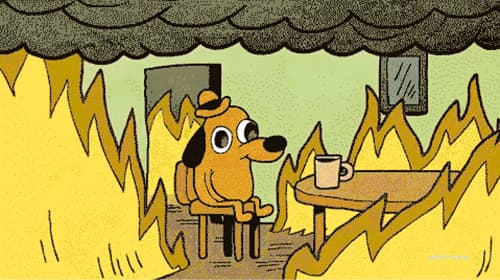
What makes the word endure is that people now use it about themselves, cheerfully and with eyes wide open, which changes it entirely. To call oneself delulu is to admit the hope is unreasonable and to hold onto it regardless, a small act of defiance against a discouraging world. It is the same spirit as the cartoon dog seated calmly in a burning room, insisting that all is well. There are worse ways to face an uncertain morning than to decide, against the evidence, that things will turn out nicely, and to nibble something green while waiting to be proved right.

Cressida Reginald
Field Correspondent, Human Behaviour
Cressida Reginald watches people from a polite distance and writes down what they do, filing her patient reports on the online young from somewhere near the garden.
The Unc Daily explains real internet slang in plain English — the definitions are accurate. The headlines, articles, and commentary around them are satire, written for laughs. Any resemblance to actual news is coincidental, and frankly, funnier that way.