
Satire
The Stranger Who Is Now Your Twin
How young people came to greet kindred spirits, and total strangers, as their twin
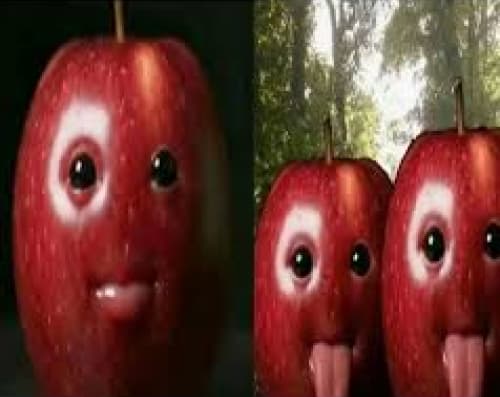
To be called "twin" by a young person today is to be paid a compliment, and it carries no suggestion whatsoever of shared parentage. The word has come to mean a friend so closely aligned in humour and outlook that the two might as well have been born together. It is a term of endearment in the same family as "bestie" or "sis," and like much of the current vocabulary of friendship it descends from African American Vernacular English, where it signalled a particular closeness long before the wider internet took it up.
Its spread owed a good deal to the people who perform online for a living. Creators took to addressing their viewers, none of whom they had actually met, as "twin," a warm and flattening form of greeting that drew the audience near, and the habit travelled outward from there across TikTok and Twitter. The curious part is that resemblance never entered into it. Two people hailed as twins need look nothing alike, need not be anywhere near the same age, and may have been acquainted for all of a quarter of an hour.
The word is now applied with great freedom, extended to old friends and recent strangers with equal conviction. There is something quietly notable in a generation that reaches so readily for the language of blood kinship, conferring the rank of sibling on anyone who happens to share a sense of humour. It points to a real wish for belonging, met in the simplest way available, which is to declare it outright. The bond may last only minutes, but for its duration each party is, formally and without a trace of irony, the other's twin.

Hibiscus K. Reginald
Internet Culture Correspondent
Hibiscus K. Reginald explains the modern internet to readers who would rather it did not exist, covering its memes and slang with the calm of a man reading out the shipping forecast.
The Unc Daily explains real internet slang in plain English — the definitions are accurate. The headlines, articles, and commentary around them are satire, written for laughs. Any resemblance to actual news is coincidental, and frankly, funnier that way.