Slang Explained · rage bait
The Fine Art of Ragebaiting
How making people angry on purpose became a reliable way to win attention

By Cressida Reginald
Field Correspondent, Human Behaviour
· 1 min read

“Ragebaiting” is the practice of posting something deliberately infuriating in order to provoke angry responses. The logic is coldly simple. Social media platforms reward engagement, and little engages people so reliably as being annoyed, so a creator who can make thousands of viewers cross has found an efficient route to attention, much as an alarm call carries further across a valley than a contented one. It is a close relative of clickbait, and it grew common in the late 2010s, as feeds increasingly promoted whatever provoked the strongest reaction, regardless of its kind.
The method rewards being wrong on purpose. A cook will film herself ruining a much-loved dish, a commenter will state something plainly false with great confidence, and the audience, unable to help itself, rushes in to set the error straight. Every indignant reply feeds the very thing it objects to, lifting the post higher and drawing a larger crowd to be annoyed in turn. The baiter, meanwhile, sits quite still and watches the fuss gather, the way a patient predator lets the noise come to it rather than giving chase.
The only real defence is the hardest one, which is to notice the trap and decline to step into it, to read the maddening thing and simply move along. What the whole business reveals is an economy in which attention is the currency and anger the cheapest coin, minted by anyone willing to be disliked for a moment. The wiser course is the one every hunted creature knows by instinct, to hold still with the ears low and let the commotion pass without adding a single sound to it.
What does “rage bait” mean?
content posted deliberately to provoke anger, because angry reactions drive the engagement that social media platforms reward
More in the Slang Glossary →More from The Unc Daily
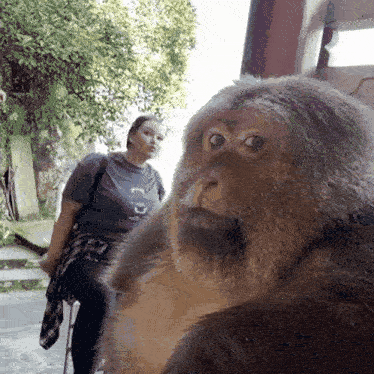
xing xing
Xing Xing Has One Arm and the Whole Internet
A one-armed macaque who visits a Chinese mountain temple each afternoon has become one of the internet’s best-loved animals, mostly by sitting very still and looking at the camera.
By Cressida Reginald ·

dripped out
Your Favourite Anime Characters Are Now ‘Dripping With Swag’
A looped line from a Drake remix and a set of footballers in designer streetwear have turned anime fandom into a fashion parade, and everyone wants their favourite character on the runway.
By Hibiscus K. Reginald ·

bomboclat wallahi
Bomboclat Wallahi Now Has Its Own Song
A street-food comedy sketch gave the internet its most unlikely catchphrase, and it has now been turned into a dance track about chicken nuggets that nobody can quite explain.
By Hibiscus K. Reginald ·