
Satire
The Two Lives of the Word Peak
How one small word came to mean both the very best and the very worst
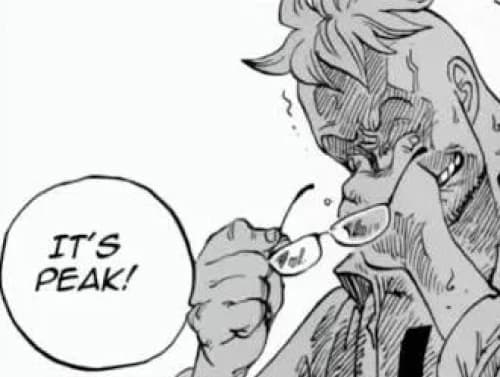
"Peak" is slang for the very best, the highest standard a thing can reach, as in a film or a game so good it can hardly be improved upon. Awkwardly, it can also mean the exact reverse. In British usage, and especially in London, to call a situation peak is to call it thoroughly unfortunate, a rotten piece of luck. The word therefore arrives at the same summit from two directions, and which one is meant depends entirely on who is speaking and about what.
The admiring sense is the one that conquered the internet, carried largely by fans of anime and video games, who took to praising a masterpiece as "peak fiction," or simply as peak. The British sense, older and gloomier, carried on in parallel, so that a teenager in Los Angeles calling a show peak and a teenager in London calling his morning peak mean flatly opposite things by the same syllable. Neither camp seems troubled by the collision, and context, as ever, quietly sorts it out.
This is where the confusion becomes the joke. A person in floods of tears announcing that something is so peak may be weeping with joy at a work of great beauty, or weeping with despair at a genuine misfortune, and the word alone will not tell you which. A generation has grown perfectly comfortable with a term that faces both ways at once, trusting tone and circumstance to settle the matter. It is, depending on how one looks at it, either a marvel of efficiency or a small daily catastrophe, which is to say the word rather describes itself.

Hibiscus K. Reginald
Internet Culture Correspondent
Hibiscus K. Reginald explains the modern internet to readers who would rather it did not exist, covering its memes and slang with the calm of a man reading out the shipping forecast.
The Unc Daily explains real internet slang in plain English — the definitions are accurate. The headlines, articles, and commentary around them are satire, written for laughs. Any resemblance to actual news is coincidental, and frankly, funnier that way.